
When God Does a New Thing, Even If You’re Not Ready
Learning to trust God’s timing when your heart is still catching up

Most of us like the idea of God doing something new — at least in theory.
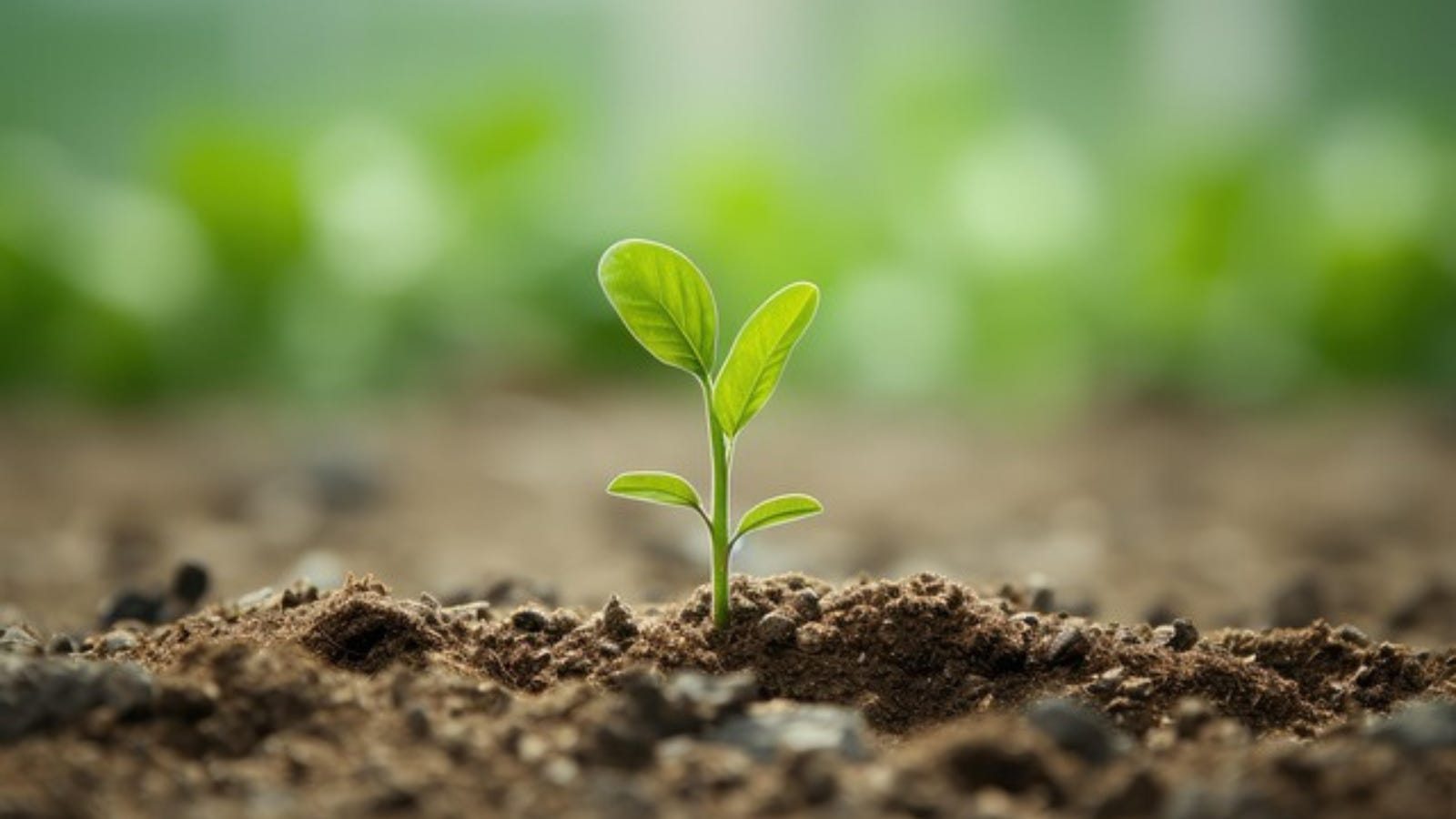
We like the idea of God doing something new, but we hope it won’t start until we feel ready.
We pray for change. We ask God to restore what feels worn down, to open doors, to move us forward. But when that new thing actually begins, it doesn’t always arrive with clarity or confidence. Sometimes it comes while we’re still tired. Still unsure. Still standing in the emotional aftermath of what just ended.
New seasons don’t always feel like fresh beginnings. Often, they feel like being asked to take a step before our footing feels secure — like standing at the edge of a trail that disappears into trees before we can see where it leads.
Our Need to Feel Ready First
Readiness feels responsible. It gives us the sense that we’re grounded, prepared, and able to handle what’s ahead. We tell ourselves that once we process the past a little more, once we feel stronger or more certain, then we’ll follow God wherever He leads.
But readiness can quietly become a moving line. There’s always another reason to wait. Another emotion we wish were settled. Another unanswered question we want resolved first.
This isn’t rebellion. It’s human. When we’ve been stretched thin or disappointed, it makes sense to want steady ground before moving forward. Yet faith rarely grows in controlled environments. It grows the way roots do — underground, unseen, while the surface still looks unchanged.
Feeling hesitant doesn’t mean you’re behind God. It often means you’re standing right where trust begins.
When God’s Timing Disrupts Our Comfort
God’s work doesn’t always arrive gently. Sometimes it interrupts rhythms we’ve carefully built to protect ourselves. We may have prayed for change while quietly hoping it would come slowly, on our terms, and without unsettling what feels familiar.
But God doesn’t wait for our comfort to catch up with His purpose.
He often begins something new while we’re still catching our breath — not to overwhelm us, but to remind us that this work has never depended on our strength. What feels premature to us is often purposeful in His hands.
Like early buds pushing through cold soil, God’s timing can feel inconvenient. But it isn’t careless. He is not reckless with our hearts, even when His plans move faster than our sense of readiness.
What Scripture Shows Us About God’s “New”
Scripture reminds us that God initiates transformation from His wisdom, not our readiness. He is not waiting for us to feel brave, organized, or spiritually polished before He moves. He is faithful to act according to His plan.
“See, I am doing a new thing! Now it springs up; do you not perceive it?” (Isaiah 43:19)
This verse isn’t a demand for awareness or excitement. It’s a reassurance. God is already at work, even when we don’t fully perceive it yet. His new work often begins quietly, beneath the surface, long before we recognize its shape.
God’s timing doesn’t require our permission. But neither does it abandon us. When He begins something new, He does so with intention, patience, and presence.
Faith When We Feel Unprepared
Faith is often misunderstood as confidence. But in reality, faith frequently coexists with uncertainty. True faith doesn’t deny fear — it chooses trust alongside it.
When we feel unprepared, God does not step back and wait for us to catch up. Instead, He meets us there. He provides strength we didn’t know we had and grace we didn’t think would be enough.
Feeling unready does not mean we are lagging behind God. It often means we are standing at the edge of growth.
The Struggle to Let Go of Control
One of the hardest parts of stepping into something new is the loss of predictability. Familiar routines, even when restrictive, offer a sense of stability. New seasons ask us to release control and trust outcomes we cannot yet see.
Control promises safety, but it rarely produces peace. Trust feels riskier, but it creates room for God to work beyond what we could plan or manage ourselves.
The tension between holding on and letting God lead is not resolved overnight. It’s negotiated daily — sometimes moment by moment. We learn to loosen our grip gradually, often discovering that what we feared losing was not sustainable by us in the first place.
This is where God’s faithfulness becomes personal rather than theoretical.
Learning Trust in the Middle of Change
Trust deepens when we realize that God does not abandon us mid-transition. Even when the path ahead is unclear, He remains steady.
Scripture reassures us of this:
“Being confident of this, that He who began a good work in you will carry it on to completion until the day of Christ Jesus.” (Philippians 1:6)
God does not start work He does not intend to finish. That includes the uncomfortable middle — the moments when we feel behind, uncertain, or stretched beyond our emotional capacity. Trust is not built by seeing the end; it is built by walking with God one step at a time.
What This Looks Like in Real Life
God doing a new thing may not look dramatic. It may show up quietly — an unexpected opportunity, an internal shift, a door opening before we feel qualified to walk through it. Sometimes the new thing is not external at all, but a change in how we respond, pray, or trust.
It often arrives without explanation. Without a clear timeline. Without the reassurance we hoped for. And yet, God remains near, steady and patient with our hesitation.
We do not need to feel ready to respond faithfully. We just need to remain open.
Closing Reflection
God’s work in our lives is not delayed by our uncertainty. He does not wait for perfect confidence before moving. Instead, He invites us to walk with Him through unfamiliar territory, trusting that His presence will be enough even when our readiness feels thin.
If you find yourself standing at the edge of something new — unsure, hesitant, or quietly resistant — you are not misaligned with God. You may be exactly where faith is meant to grow. The question is not whether you feel ready, but whether you’re willing to trust God’s work before you understand it.
As you reflect, consider this gently: Where might God be inviting you to trust Him with something new, even though you don’t yet feel prepared for it?
God’s new work does not demand confidence. It asks for willingness.
With gratitude and faith,
Patti